
 Facebook
 X
X
 Pinterest
 Copy Link
7 Essential Tips First-Time Home Buyers Need to Know
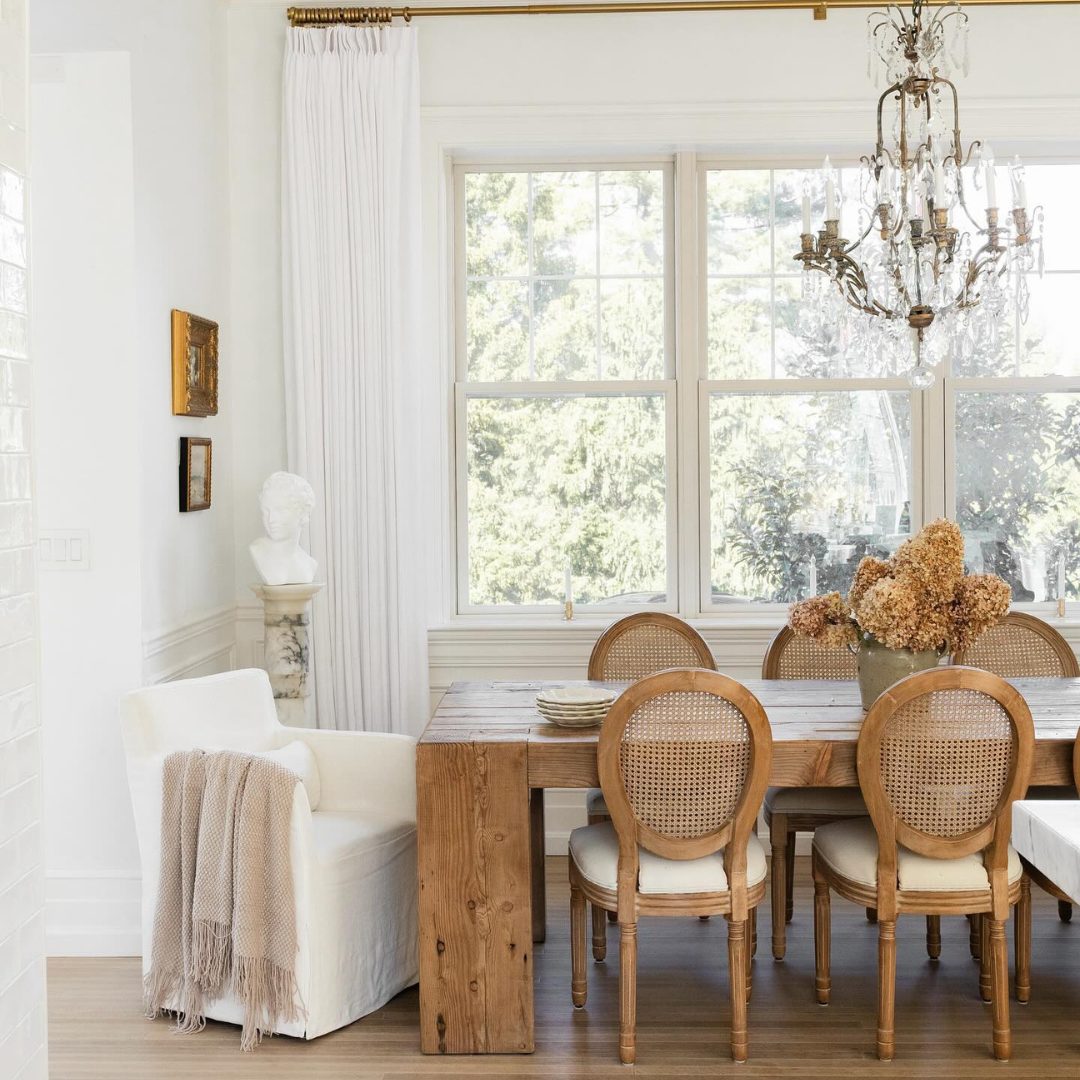
Buying your first home is an exciting milestone that you can’t wait to hit; but it can also feel overwhelming, especially if you don’t know where to get started. There are many decisions to make, financial factors to consider, and steps to take before you can confidently purchase and move into your new home. Whether you’re just starting to think about homeownership or are already actively searching for the perfect place, having a strong foundation of knowledge can make the process smoother and less stressful. Here are seven essential tips to help first-time buyers navigate their home purchase with confidence.
Start Saving with a First Home Savings Account (FHSA)
One of the biggest challenges for first-time buyers is saving enough for a down payment. Fortunately, the First Home Savings Account (FHSA) was introduced to help Canadians save for their first home in a tax-advantaged way. This registered savings account allows you to contribute up to $8,000 annually, with a lifetime contribution limit of $40,000. The key benefits of an FHSA include:
- Tax-free growth: Any interest earned in the account is not taxed, which means you have the change to grow your down payment more quickly than in a traditional savings acount.
- Tax-free withdrawals: When you’re ready to buy, you can withdraw funds without paying taxes.
- Opportunity to combine with the home buyers’ plan (HBP): You can also withdraw up to $35,000 from your RRSP under the HBP, allowing you to maximize your savings.
- Automatic Contributions: Setting up automatic transfers can help you stay on track with your savings goals.
If you’re planning to buy your first home, opening an FHSA as early as possible will give your savings more time to grow and put you in a stronger financial position when you’re ready to make a purchase.
Get Pre-Approved for a Mortgage
Shopping around for the perfect home is the fun part… But before you get there, it’s important to know how much you can afford. A mortgage pre-approval gives you a clear picture of your borrowing power, helping you narrow down your home search and ensuring you’re shopping within your budget. Unlike online mortgage calculators, which provide only rough estimates, a pre-approval is an in-depth assessment of your finances, including your credit score, income, debts, and down payment.
Not only does a pre-approval give you confidence in your price range, but it also makes you a more attractive buyer to sellers, especially in competitive markets!
Understand the True Costs of Homeownership
Owning a home comes with more expenses than just your mortgage payment. Many first-time buyers focus solely on the down payment and monthly mortgage costs but underestimate the additional costs that come with homeownership. Some of the key expenses to plan for include:
- Closing costs: Legal fees, home inspections, land transfer taxes, and title insurance can add up to 1-4% (on average) of the purchase price
- Property taxes: These vary by location and must be factored into your budget
- Home Insurance: Required by lenders and an essential part of protecting your investment
- Utilities and maintenance: Heating, electricity, water & regular upkeep should be budgeted for
- Repairs and unexpected costs: Homeownership means taking responsibility for maintenance – and it’s always important to be prepared for the unexpected!
Before buying, take the time to review your budget realistically and ensure you can handle these expenses without financial strain in the long run.
Think About Your Long-Term Needs
When purchasing your first home, it’s easy to focus on what works for you right now, but it’s just as important to think about your future needs. Think about factors like job stability, potential family growth, and lifestyle changes over the next five to ten years.
Are you planning to start a family soon? Will you need extra space for a home office? Is the commute reasonable if your job situation changes? Buying a home is a major investment, so choosing a property that fits your long-term goals will help you avoid outgrowing it too quickly or having to sell sooner than planned.
Location Matters More Than You Think
You can renovate a home, but you can’t change its location. Choosing the right neighbourhood is just as important as selecting the right house. Things like commute times, access to public transit, nearby amenities, school districts, and community vibes all come into play – and you’ll definitely notice them even more once you get settled.
It’s also important to research planned developments in the area. A neighbourhood might seem quiet now, but if there are plans for high-rise buildings, increased traffic, or commercial expansion, it could change the area over time. Spending time in different neighbourhoods, both during the day and at night, can help you get a better sense of the community before committing to a purchase.
Work with Experienced Professionals
Navigating the home-buying process is so much easier – and way less stressful – when you have the right team by your side. A REALTOR® can help you find properties that match your needs and budget while also guiding you through negotiations and paperwork. A mortgage broker can compare loan options from different lenders to ensure you get the best rate. A home inspector can identify potential issues with a property before you commit to purchasing. And a real estate lawyer will ensure all legal documents are in order.
Working with professionals like these takes the guesswork out of buying a home and helps you make informed decisions every step of the way. If you’re unsure where to start, reaching out to an experienced REALTOR® is a great first move.
Be Prepared for the Offer and Negotiation Process
Once you find the right home, making an offer can be both exciting and nerve-wracking. In competitive markets, multiple offers are common, and understanding how to structure your bid can make a big difference. Having a pre-approved mortgage, a flexible closing date, and a strong deposit can help strengthen your offer.
At the same time, don’t be afraid to negotiate. Your REALTOR® will guide you on when to push for a better price, request repairs, or ask for additional conditions in the contract. If something doesn’t feel right, trust your instincts and be willing to walk away. The right home is worth waiting for, and rushing into a deal without due diligence can lead to regret later.
As we said, buying your first home is a major milestone, and being well-prepared makes all the difference as you navigate this process. But, with the right knowledge and professional help, you’ll be in a strong position to find the right home with confidence.
If you’re ready to take the next step, our team at Coldwell Banker Community Professionals is here to guide you through the process. Contact us today to get started on your journey to homeownership.
10 Essential Fall Tasks to Get Your Home Winter-Ready

As summer sun fades and we turn to the crisp air of autumn, the change of seasons offers a perfect chance to get ahead. With winter on the horizon, now is the ideal time to start preparing your home for the colder months ahead. Tackling key home maintenance tasks this season ensures that you will be ready to weather winter with comfort and peace of mind. Here are 10 essential steps you can take to keep your home in tip-top shape.
Indoor Fall Maintenance
The inside of your home should be a haven of warmth and comfort during the winter, but achieving that means making sure everything is in good working order. Fall is the perfect time to take a close look at things like your home’s heating, safety devices, and energy efficiency. By tackling these indoor maintenance tasks early, you can enjoy a cozy, worry-free winter season.
Seal Gaps and Cracks
Drafts from small gaps around windows and doors can make your home feel colder and drive up heating bills. Inspect your home for any air leaks and seal them using weather stripping or caulking. Taking a bit of time now to seal your home properly will ensure a warm, energy-efficient winter.
Save on Energy offers a free energy saving kit to help you cut down on your energy costs; this includes weather stripping to ensure that all cracks are sealed off.
Furnace Tune-Up
Your furnace will be working overtime during the winter months, so make sure it’s up to the task. Schedule a professional inspection to ensure all components are functioning correctly. Don’t forget to replace or clean the furnace filter regularly. Clogged filters not only reduce efficiency but also affect indoor air quality.
Fireplace Preparation
Before lighting that first cozy fire, have your fireplace and chimney professionally cleaned and inspected. This helps prevent any safety hazards like chimney fires and ensures that your fireplace runs efficiently, keeping your home warm on those chilly nights.
Test Safety Devices
Fall is a great time to test your smoke alarms, carbon monoxide detectors, and fire extinguishers. Ensuring they’re in working order is vital for your family’s safety, especially when fireplaces and heating systems are in frequent use. Take this opportunity to review or update your family’s fire safety plan too and make sure that everyone knows the best plan of action in case an emergency strikes.
Stock Up on Winter Essentials
Before the winter weather hits, stock up on emergency supplies such as flashlights, matches & candles, batteries, non-perishable food, and blankets. Power outages during winter storms aren’t uncommon, and a well-prepared emergency kit will keep your family safe and comfortable when the unexpected occurs. A backup generator is also a great idea in case a winter storm decides to wreak havoc.
Outdoor Fall Maintenance
As the weather cools, your home’s exterior needs some extra attention to withstand the challenges that winter will bring. Canadian winters can be harsh and unexpected; by addressing a few key outdoor tasks now, you can avoid larger issues in the future, protecting your home from the elements and keeping it looking its best. Let’s take a look at some essential outdoor maintenance steps to prepare your home for the colder months ahead.
Clear Those Gutters
Falling leaves can quickly become a problem when they clog your gutters. Blocked gutters can lead to water damage, ice dams, and even roof issues if not taken care of. It’s important to make gutter cleaning a seasonal priority and consider adding gutter guards for future convenience. This will ensure smooth water drainage during winter storms and prevent larger repair headaches in the future.
Tidy Up the Garden
As the gardening season comes to an end, it’s time to show your yard some love before it goes dormant. This is the perfect opportunity to tidy up your garden and prepare it for the upcoming spring. Start by trimming any overgrown shrubs, removing dead plants, and clearing out fallen leaves. Not only will this make your garden look neat and well-kept, but it will also create a clean canvas for the vibrant spring blooms to come – a much needed reprieve after a cold, dark winter.
Taking the eco-friendly approach, consider composting those leaves to naturally enrich your soil. By doing so, you’ll not only reduce waste but also provide your garden with nutrient-rich soil for the next growing season. Remember, taking the time to tidy up your garden now will pay off when spring arrives!
Inspect Walkways and Driveways
Check your outdoor paths for cracks or damage that could worsen in freezing temperatures. Uneven surfaces can lead to slips and falls, so repair them now for added safety.
Taking the time to address any issues with your walkways and driveways before winter sets in will provide peace of mind and help prevent accidents. It’s important to maintain a safe environment for everyone, especially when dealing with potentially hazardous weather conditions.
Roof and Chimney Check
Your roof is your home’s first defence against winter weather, so a thorough inspection is a must. Look for any missing or damaged shingles and secure flashing to avoid leaks and potential water damage. A well-maintained roof will prevent winter damage while also keeping your home warm and safe.
Winterize Outdoor Faucets and Pipes
Outdoor plumbing is particularly vulnerable to freezing temperatures. Drain and disconnect garden hoses, shut off outdoor water valves, and install insulated faucet covers. For any exposed pipes, especially in unheated areas, wrap them with insulation to prevent freezing and bursting.
Taking care of these key tasks now will save you time, money, and stress once the winter chill sets in. By breaking your fall maintenance into indoor and outdoor tasks, you’ll ensure your home is winter-ready from top to bottom. Start outside before the chilly weather fully sets in and move indoors as you check everything off your to-do list. These simple steps will help you face the Canadian winter with ease and confidence so you can enjoy special moments with friends & family all season long – without the worry!
The Ultimate Home Buyer’s Guide

House hunting is an incredibly personal journey; you’re not only finding a house but a place that you’ll be able to confidently call home and see yourself feeling comfortable in the future. As you get started, it’s important to remember that every decision you make now can shape your life in meaningful ways. We’ve put together a thoughtful guide to help you navigate the process and choose the home that fits your lifestyle, budget, and – most importantly – your dreams.
Beds, Bath & Beyond
When it comes to bedrooms and bathrooms, these spaces are essential for both comfort and functionality. Before you start looking, assess the number of bedrooms based on your current needs – and your future plans. If you anticipate family growth or enjoy hosting guests, extra bedrooms can provide the necessary space. Think about the layout as well; do you prefer spacious bedrooms where you can create a relaxing retreat or cozy spaces that are efficient and low-maintenance?
Consider Storage: Built-in closets and shelving can significantly enhance storage capabilities, keeping your space organized and clutter-free. Think about how you’ll utilize these rooms; do you need a home office setup in a spare bedroom, or would you prefer a playroom for children? Which rooms will need the most storage and how can you maximize this?
Bathrooms Matter: When evaluating bathrooms, consider the ideal number and types. Multiple bathrooms can alleviate the morning rush, offering convenience for larger families. Ensuite bathrooms attached to the primary bedroom can provide a sense of privacy and luxury. Do you prefer standalone showers or are tubs important to you? Features such as double sinks, spacious showers, and soaking tubs can enhance your daily routine, turning your bathroom into a place where you can relax.
One important tip to keep in mind when it comes to bathrooms – don’t forget to check water pressure, faucets and toilets to ensure they’re all in working condition and up to your standards.
Location, Location, Location
The location of your new home is one of the most important factors to consider when it comes to your overall satisfaction. Consider not only the current vibe of the neighbourhood but also what it might become in the future.
Back to school: Research nearby schools if you have children or plan to in the future; quality education can significantly influence property values and your family’s lifestyle. What schooling options are available? Do your children have any unique needs? How close would you like to be to future schools and what transportation options are available?
Convenience is Key: Evaluate proximity to work, grocery stores, parks, and public transit. A longer commute can add stress to your daily routine, so weigh the trade-offs between a larger home in a distant area versus a more compact space closer to your job or favourite activities.
Community Feel: The neighbourhood’s atmosphere matters, too. Are you looking for a bustling community filled with restaurants, shops, and cultural activities, or a quiet suburb with a tight-knit feel? Spend time walking around potential neighbourhoods at different times of day to gauge the environment and get a sense of the community spirit and what you can expect from your new neighbourhood.
Future Development: Investigate any planned developments in the area. New schools, parks, or commercial centres can boost your neighbourhood’s appeal and increase your property value. You might be looking at life in the near future but it’s also important to consider how your living environment might evolve.
Financial Considerations
Understanding your financial landscape is a must before embarking on your house-hunting journey. Start by reviewing your current budget: how much can you realistically afford for a mortgage while still enjoying your lifestyle?
Mortgage Pre-Approval: Getting pre-approved for a mortgage provides clarity on your spending capacity and can give you an advantage when making an offer. Lenders will assess your credit score, income, and debt-to-income ratio, helping you establish a budget that fits your financial profile.
Explore Different Options: Take time to explore various mortgage types, such as fixed-rate versus variable-rate mortgages. A fixed-rate mortgage offers stable monthly payments, while a variable-rate mortgage might start lower but can fluctuate over time. Consulting a financial advisor or mortgage broker can help you understand which option aligns with your financial goals and risk tolerance.
Additional Costs: Don’t forget to budget for additional costs associated with homeownership. Property taxes & homeowners insurance can significantly affect your monthly expenses. Additionally, set aside a fund for unexpected repairs and maintenance.
Long-Term Financial Planning: Consider the long-term implications of your purchase. How does this investment fit into your overall financial strategy? Think about future renovations or upgrades you may want, and how those could impact your budget and home value.
Time to Get Cooking
If you or your family love to spend time in the kitchen, this is one space that you’ll be making the most of – make sure that it suits your needs!
Workspaces and Flow: An open-concept kitchen can create a welcoming atmosphere and facilitate interaction during gatherings. Consider how counter space, storage, and layout impact your cooking experience. An efficient kitchen design enhances workflow, making meal prep enjoyable.
Modern Appliances: Check the age and quality of appliances. Energy-efficient models not only save money on utility bills but also contribute to a more sustainable lifestyle. If cooking is a passion, look for high-quality appliances that can elevate your culinary adventures.
Storage Space: How much storage space will you need? Dishware, cookware and ingredients take up lots of space – is your new kitchen adequately equipped with storage spaces (cupboards, drawers, pantry area) that will fit your essentials?
The Great Outdoors
Don’t overlook the outdoor areas when house hunting. A well-designed outdoor space can greatly enhance your quality of life, especially if you plan on spending lots of time outdoors!
Yard Size and Maintenance: Think about how much outdoor space you need for activities like gardening, entertaining, or simply relaxing. Consider whether you want a large yard that requires significant upkeep or a smaller, low-maintenance area.
Outdoor Features: Look for desirable features such as decks, patios, or landscaping. These elements can extend your living space and provide a perfect setting for gatherings or peaceful retreats. Think about how you’d like to use the outdoor space—will you host barbecues, garden, or create a play area for children?
Roof and Exterior: Pay attention to the roof and the exterior condition of the home. A well-maintained roof is critical for preventing leaks and costly repairs down the line.
Living It Up
The living space is where you’ll spend much of your time, so consider its layout and functionality. Open-concept living areas can enhance interaction and flow between spaces, making it easier to entertain or spend time with family.
Natural Light and Views: Assess the amount of natural light in the living area. Large windows can create a bright and inviting atmosphere, while good views can enhance the overall appeal of your home. Think about how light changes throughout the day and how it affects your living environment.
Flexibility of Space: Look for flexible spaces that can adapt to your lifestyle. A den or bonus room can serve various purposes over time – home office, playroom, or guest space. Think about your long-term needs and how these areas can evolve.
Aesthetic Appeal: Consider the style and finishings of the living space. Do they align with your personal taste? From flooring to wall colours, these elements contribute to the overall feel of your home and can be costly to change later.
Look for Your Lifestyle: How do you and your family like to spend your time? Would you like a space where you can cozy up and watch a movie? Rooms where you can comfortably entertain larger groups of people? Multiple living areas so you can branch off to enjoy different activities? These are all important to keep in mind when looking at the available space and flow of the rooms in your new home.
Room to Grow
While it’s easy to focus on your immediate lifestyle, it’s equally important to consider your future needs. Life changes – such as starting a family, changing jobs, or shifting personal interests – can impact your housing requirements.
Flexible Spaces: Look for homes with flexible spaces that can adapt to your changing life. A spare room could serve as a playroom today and transform into a home office tomorrow. Think about your long-term vision and how the home can accommodate those plans.
Plan for Growth: If you’re looking for a starter home, consider how long you plan to stay and whether you might outgrow the space. Understanding your goals will help guide your choice, ensuring that the property you select can evolve with you.
Maintenance Considerations: If you plan to stay long-term, think about the maintenance of the property. Older homes may require more upkeep, while new builds may need less immediate attention. Make sure you consider your comfort level with home maintenance tasks and how that aligns with your lifestyle.
Before you embark on your house-hunting journey, take the time to sit down – either alone or with your partner if you’ll be making a decision with someone else – to discuss what’s most important to you in a home. Define your must-haves and non-negotiables, and prioritize your list. This thoughtful approach will not only streamline your search but also help you make informed decisions that align with your values and future goals.
Stay open-minded as you explore different properties, allowing for the possibility of discovering features you may not have initially considered. With a clear list of priorities and a flexible mindset, you’ll be well-equipped to find a home that fits your lifestyle and aspirations.
Ready to get started? Contact us today & let’s find your dream home!
Fixer-Upper vs Move-In-Ready: Which Home Should You Buy?
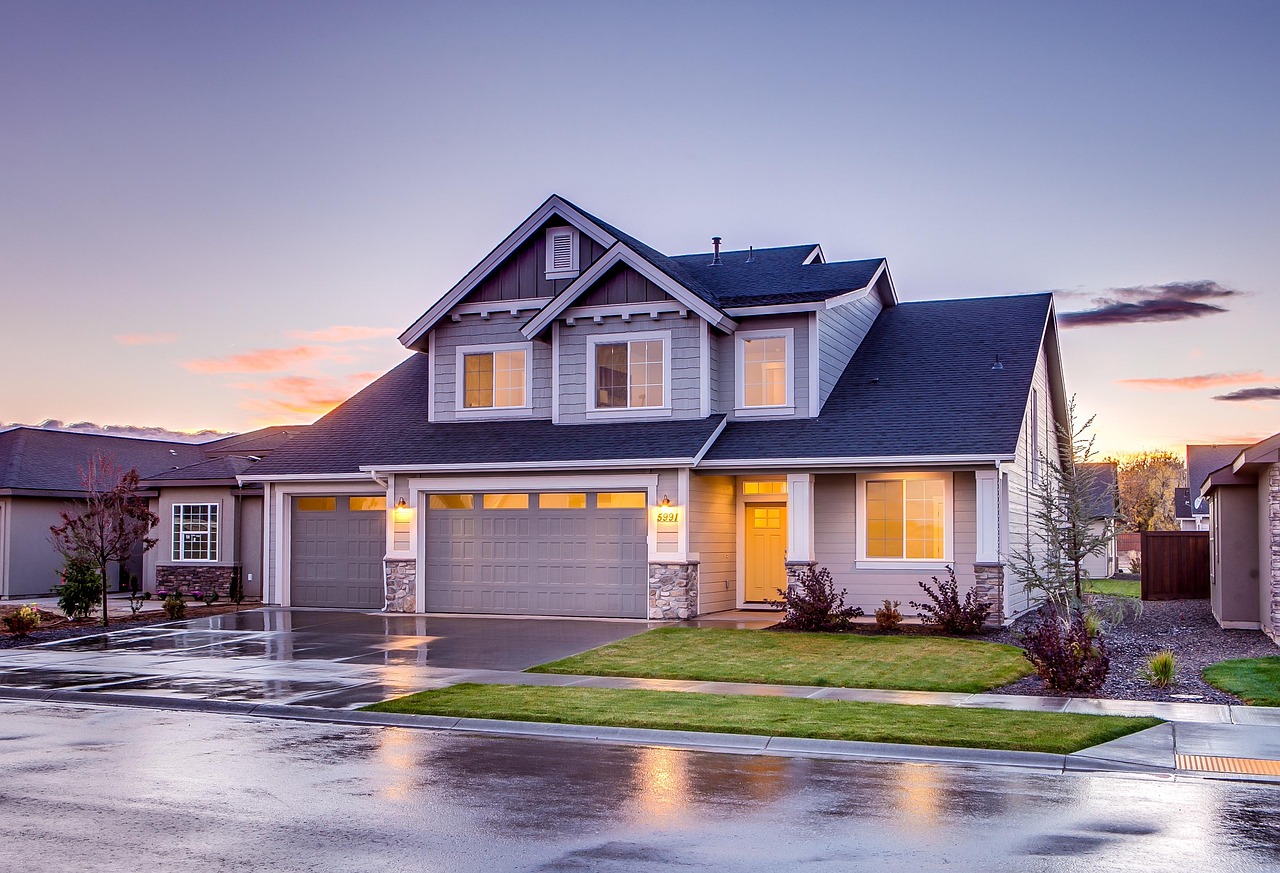
Buying a home is one of the biggest milestones that you’ll come across in life – and, of course, one of the most exciting. Once you’ve decided to purchase, the next question usually comes down to what kind of home makes the most sense for your lifestyle, budget, and long-term goals. Two of the most common options on the market are move-in-ready homes and fixer-uppers.
Both paths have plenty of advantages, but they also come with unique challenges. A move-in-ready property promises convenience, while a fixer-upper can unlock potential value and customization. Deciding between the two isn’t always easy, which is why it helps to walk through the pros and cons of each approach before making your choice.
Our team is here to break down everything you need to know so you can come to a clear decision on which option fits best with your vision – and your family’s – for homeownership. Let’s go through the pros and cons of both options:
Buying a Move-In Ready Home
The Pros
Convenience and Speed
The biggest benefit of a move-in-ready home is how quickly you can start living in it. There’s no waiting on contractors, no dust-covered furniture, and no juggling temporary housing while renovations are underway. If you’re relocating for work, growing your family, or simply don’t want to deal with disruptions, this convenience can be priceless.
Predictable Budgeting
With everything already in place, you avoid many of the surprise costs that pop up during renovations. While every home requires maintenance eventually, you won’t need to worry about immediate expenses for things like new flooring, fixtures, and contractors. This predictability makes it much easier to plan your finances for the years ahead.
Modern Comforts
Move-in ready homes often feature modern layouts, energy-efficient appliances, and updated designs. These upgrades can save you money on utilities and create a more comfortable, functional living space.
Less Stress
Buying a house can already feel overwhelming. Choosing one that doesn’t require major work eliminates an extra layer of stress. You can focus on the personal touches that make your house feel like home rather than construction schedules and renovation dust.
The Cons
Higher Price Point
Because all the work has already been done, move-in-ready homes typically come with a higher upfront cost. You’re paying for convenience and the upgrades the previous owner or builder invested in.
Limited Customization
When you move into a finished home, most of the big decisions – such as the kitchen layout or flooring choices – have already been made. You may love the style… Or you may find yourself wishing things looked a little different. Making major changes after purchase can feel wasteful, especially when those elements are already in good condition.
Competitive Market
Move-in-ready homes often attract more buyers, which means bidding wars can drive prices up even further. This can be discouraging for first-time buyers or those on tighter budgets.
Buying a Fixer Upper
The Pros
Lower Purchase Price
Fixer-uppers generally list at lower prices than move-in ready homes. This creates an opportunity to buy into a desirable neighbourhood that might otherwise be out of reach. For many buyers, it’s a chance to get more house for less (upfront) money.
Maximum Customization Potential
With a fixer-upper, you’re in complete control. You can design the kitchen you’ve always dreamed of, choose the flooring style you love, and create spaces that reflect your family’s needs. Instead of settling for someone else’s choices, you’re building a home that feels tailor-made just for you.
Potential for Equity Growth
Renovating a fixer-upper can significantly increase its value. By improving the property, you may build equity faster, which can pay off if you decide to refinance or sell down the road. Strategic renovations often deliver an excellent return on investment.
Sense of Accomplishment
There’s something incredibly rewarding about transforming a neglected property into a beautiful, functional home. Every improvement tells a story, and you’ll know the space reflects all of your hard work and vision.
The Cons
Renovation Costs
While the purchase price might be lower, renovation costs can add up very quickly. Materials, labour, permits, and unexpected repairs can push your budget higher than anticipated. Without careful planning, expenses can spiral.
Time Commitment
Renovations don’t happen overnight. Even smaller projects can take weeks, while major overhauls may stretch into months. Living in a construction zone or arranging temporary housing can be a major inconvenience, especially if you have children and/or pets.
Uncertainty
It’s difficult to predict exactly what you’ll uncover once renovations begin. Older homes, in particular, may hide costly issues like outdated wiring, plumbing problems, or foundation cracks. You’ll be taking more of a risk and there can be plenty of surprises along the way that will delay progress and strain your budget.
Stress
Coordinating contractors, making design decisions, and monitoring timelines/budgets requires significant effort. If you already have a demanding job or family commitments, managing a renovation project can feel overwhelming.
What Are the Biggest Things You Should Consider Before Deciding?
Your Budget
Look beyond the sticker price of the home and consider things like renovation costs, financing options, and the possibility of unexpected expenses. With a move-in-ready home, you’re paying upfront but with fewer surprises. With a fixer-upper, you may save initially, but you need extra funds set aside for improvements.
Your Timeline
Do you need to move quickly, or do you have time to oversee renovations? A move-in-ready home works best if you’re on a strict schedule. A fixer-upper suits buyers who can take a slower approach and want to spend more time making everything perfect.
Your Lifestyle
Some people enjoy the process of renovating and see it as an adventure. Others prefer a smooth, stress-free transition. Think about how much time and energy you realistically want to devote to your home once you purchase.
Location Considerations
Neighbourhood plays a huge role in property value. A fixer-upper in a prime area may be a smart investment, while a move-in-ready home in a less desirable location may not hold its value as strongly. Always weigh the importance of location alongside the condition of the home.
So, Which Option Is Right for You?
The choice between a move-in-ready home and a fixer-upper ultimately comes down to what matters most to you right now. Do you crave convenience, comfort, and a seamless transition? Or do you see potential in rolling up your sleeves and investing in transformation?
Every buyer’s situation is unique, which is why it’s important to weigh the pros and cons carefully. Take time to assess your finances, your lifestyle, and your long-term goals and have conversations with your family about what’s important to them. By understanding the trade-offs, you’ll be ready to make a confident decision that supports both your present needs and your future dreams.
Now that you’ve made your decision, it’s time to move on to the next steps – and we’ve made it even easier to get started with our Ultimate Home Buyer’s Guide. Click here to read more and start the process with confidence.
What No One Tells You About Moving: Real Advice for a Stress-Free Move
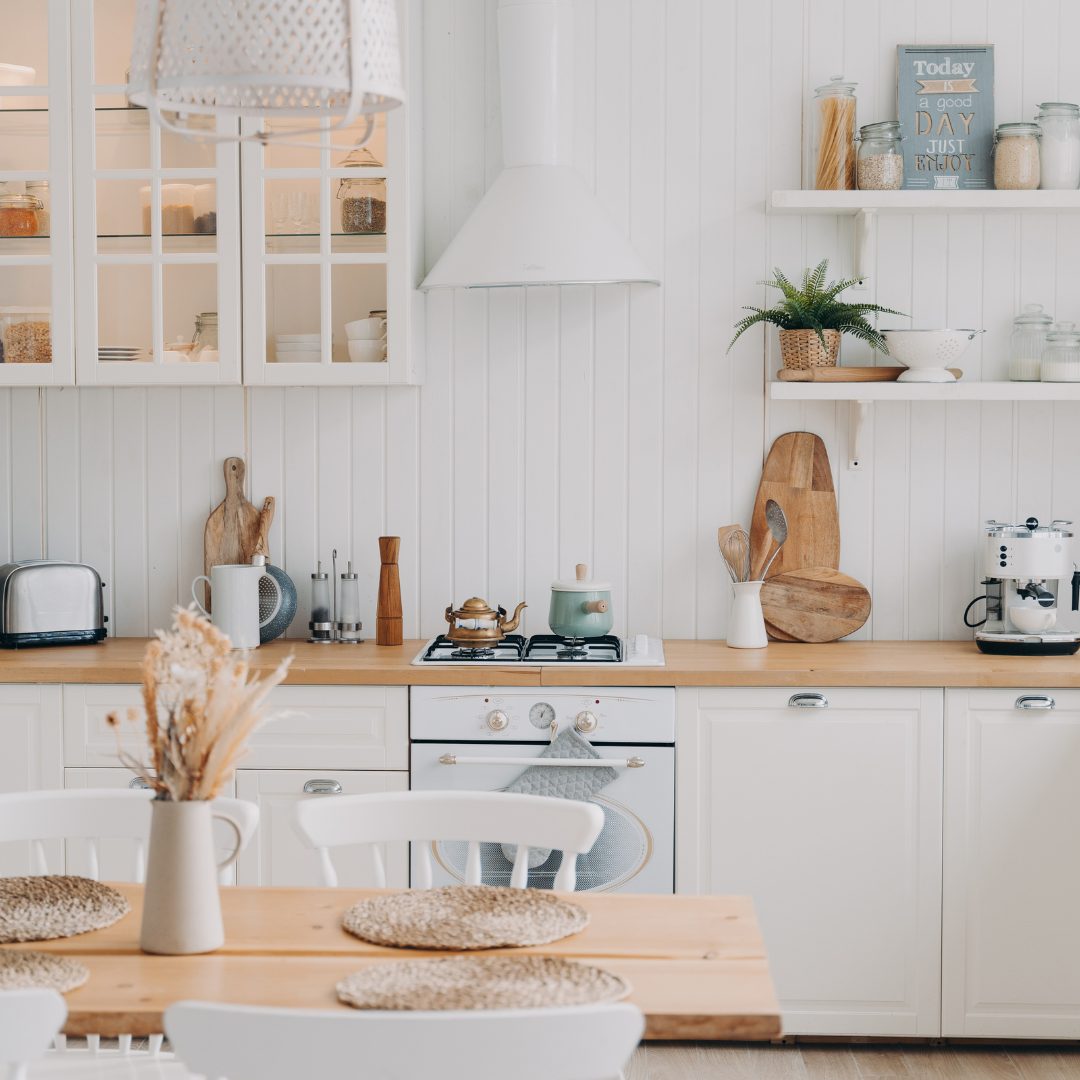
Moving into a new home can feel like a fresh start. But let’s be honest, the process of actually getting there isn’t always so exciting. Between packing, coordinating logistics, and keeping your life in order during the transition, it’s no wonder moving ranks as one of life’s biggest stressors. But what if we told you there are ways to make it easier – and, dare we say, even enjoyable?
Beyond the obvious moving tips you’ve probably heard (like starting early or labelling your boxes), there are plenty of small, smart strategies that can take a big weight off your shoulders. We’ve gathered some of our top tips to get you there. Here’s what no one tells you about moving – and how to make the entire transition feel a little more seamless.
Give Yourself More Time Than You Think You’ll Need
One of the biggest mistakes people make is underestimating how long everything will take. Packing always takes longer than expected, especially if you’ve lived in your space for a while. Even the most organized and pre-planned movers run into last-minute chaos without a bit of breathing room built in.
Instead of planning your move down to the minute, leave a few “buffer days” for unexpected delays. Maybe your couch won’t fit through the front door, or the moving truck gets stuck in traffic. Flexible timing lets you deal with surprises without stress.
If you’re moving between homes, having an overlap – even if it’s just a day or two – between possession and vacating your old place can give you the space to clean, paint, or tackle last-minute to-dos without the pressure of a ticking clock. And less pressure = a happier family during the move!
Pack for Your First 48 Hours
Most people focus so much on moving day that they forget about what happens the day after. Once the boxes are in and the keys are handed over, it’s not always realistic (or appealing) to dig through cardboard for your toothbrush or coffee maker – and trust us, you’re really going to want that first coffee after a few busy days!
Our recommendation? Put together a first 48-hour kit. Don’t just pack an overnight bag – this is going to be your survival kit for your first two days in the new place. Think: phone chargers, medications, snacks, paper towels, important documents, pet food, toiletries, fresh sheets, and a couple of rolls of toilet paper. Toss in a fresh outfit and any work clothes you might need, too. You’ll thank yourself later for thinking ahead.
Take Photos Before You Unplug Anything
It sounds like a small thing, but taking photos before you dismantle your entertainment setup, office desk, or even the back of your Wi-Fi router can save a ton of frustration when you’re trying to plug it all back in later.
The same goes for furniture that needs to be disassembled. Snapping a few photos of how pieces connect, where certain screws go, or how cords are routed through cabinetry can make reassembly quick and painless.
Get Strategic About Decluttering
Decluttering isn’t just about throwing things out, it’s about being realistic about what you have and what you’ll need. Do you actually need five mismatched frying pans or a box of tangled extension cords? Probably not. But when time is tight, it can be tempting to throw everything in a box just to get it done.
Here’s a better approach: focus on volume. What items take up the most space and offer the least value in your life? Bulky kitchen appliances you haven’t touched in a year, the extra set of old towels and sheets you’ve been hanging onto, the pile of old magazines in the closet. Listen to us when we say this is the time to let them go.
When in doubt, set a limit, like “If it hasn’t been used in 12 months, it doesn’t come.” You’ll save time, space, and money on packing materials and moving fees.
Check the Weather and Prep Accordingly
Rain, snow, heatwaves… Weather can derail even the best-laid moving plans. Keep an eye on the forecast in the week leading up to your move and prep accordingly. Stock up on tarps, extra towels, bottled water, or even fans if it’s expected to be a scorcher. Want to keep things clean? Protect your floors with cardboard or plastic runners if conditions are messy.
Don’t Forget the Admin
The behind-the-scenes paperwork can be one of the most overlooked parts of a move. Start a checklist for who needs to know your new address – Canada Post, your employer, banks, credit cards, driver’s license, doctor’s office, school records, and so on.
Set up mail forwarding at least two weeks in advance and double-check that your services like hydro, internet, and gas are scheduled to start a day or two before you arrive. That way, you’re not stuck waiting around for service calls while living out of boxes.
Rethink How You Label Your Boxes
Instead of just writing “Kitchen” or “Bedroom” on your boxes, take it a step further: list a few contents right on the side. Something like “Kitchen – utensils, dishcloths, toaster” can save you loads of time during unpacking and help you get to the important stuff first.
And when labelling, skip the top of the box. Label the sides instead so you can see what’s inside even when boxes are stacked.
Prep Your New Home Before Moving In
If you can get access to your new home before move-in day, use that time wisely. A quick deep clean and a fresh coat of paint can go a long way in making your move feel smoother.
It’s also a great time to take a walkthrough to plan out furniture layouts, identify areas that need touch-ups, or drop off essentials. Even something as small as putting toilet paper in the bathroom and snacks in the pantry can make move-in day feel a lot more welcoming.
Make a Plan for Kids and Pets
On moving day, the fewer distractions the better. If you’ve got little ones (or furry ones), make arrangements in advance. Having them out of the house will let you focus and reduce stress for everyone involved. Sounds like it’s time for a sleepover at grandma’s or a visit to doggy daycare!
And when the move is done, make sure to include a few familiar items in their new space. A favourite toy, blanket, or nightlight can go a long way in helping your kids and pets settle into their new surroundings. New places can be scary – and these little steps will make things feel more like home.
Unpack With Purpose
After a long move, it’s tempting to rush through the unpacking process just to get it over with. But this is the perfect time to be intentional. Take your time to set up each space in a way that feels good; don’t just replicate your old setup out of habit.
Start with your most-used rooms: the bedroom, bathroom, and kitchen. These are your comfort zones. Once those are functional, you can move on to the rest at your own pace.
Celebrate the Win
Finally, take a moment to celebrate. You did it! Now that you’ve gotten through the hard part, make space to enjoy this moment with your family & friends – even if that just means enjoying takeout on the floor or popping a bottle of bubbly. Moving is a huge accomplishment and a new chapter worth marking with something special.
And when you’re ready to make your next move, our team at Coldwell Banker Community Professionals is here to help. We’re here to make every step – from the first showing to the final unpacking – feel easier & smoother. We’re ready when you are!
